Subcultures and Anti-Design
Memes, vaporwave, brutalist sites, and zine-like remix cultures reclaim the web's experimental spirit by rejecting polished uniformity and keeping visual friction visible.
Visual archive
Visual Archive
Subculture image languages work through collage, distortion, inside jokes, and deliberate roughness. They critique the polished mainstream by refusing to disappear into seamless UI.
Collection object
Collection file
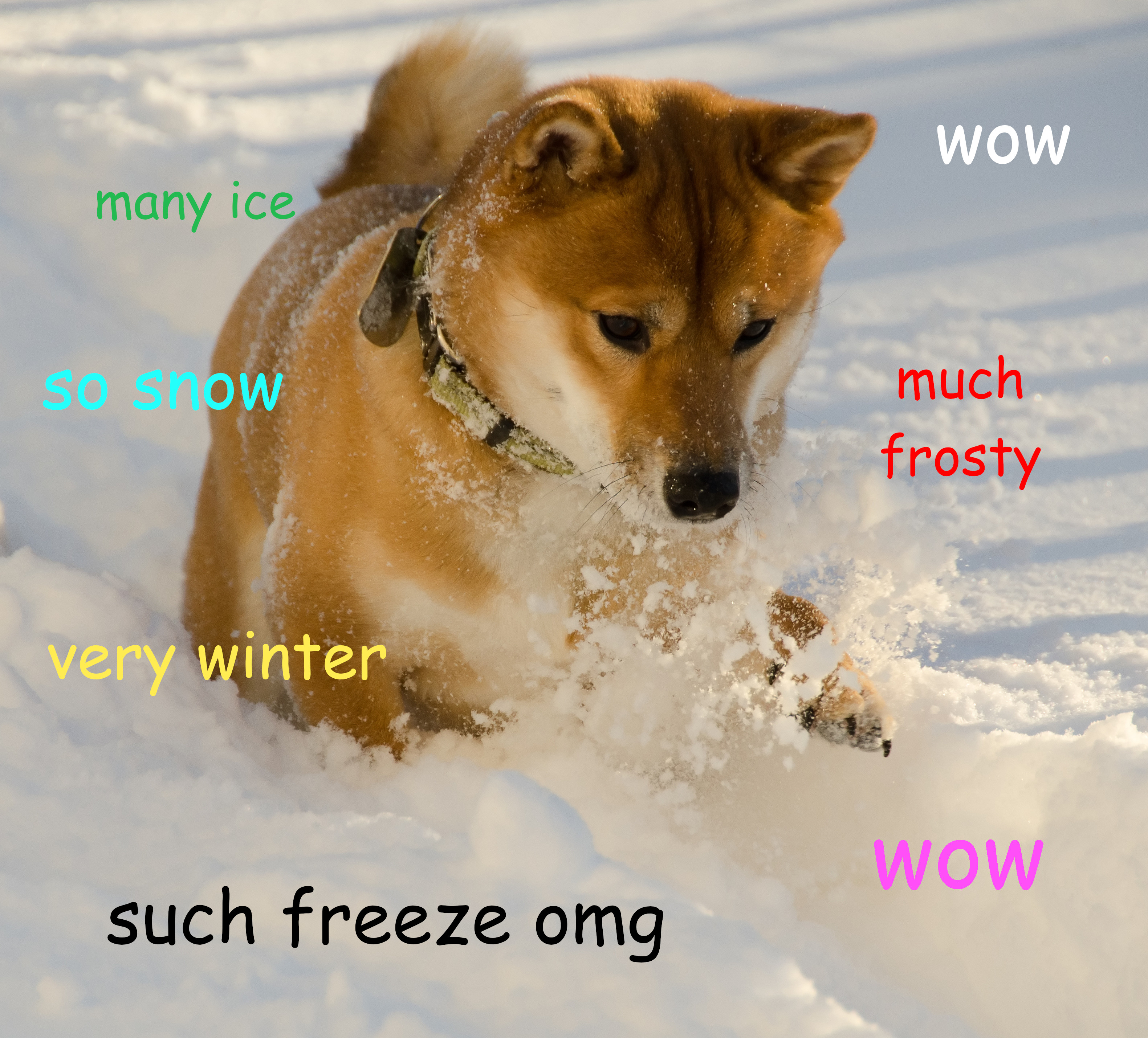
Meme Format
Meme templates turn authorship into a relay. Their authority comes from recognizability and circulation rather than from institutional approval, extending the early web's habits of copying, in-jokes, and visible self-expression.
Meme Format. A documented meme example showing how caption templates, shared reaction images, and playful text layering became a public authorship format descended from the early web's copy-and-remix culture. Localized project copy of the documented Doge meme example from Wikimedia Commons.
Collection object
Collection file
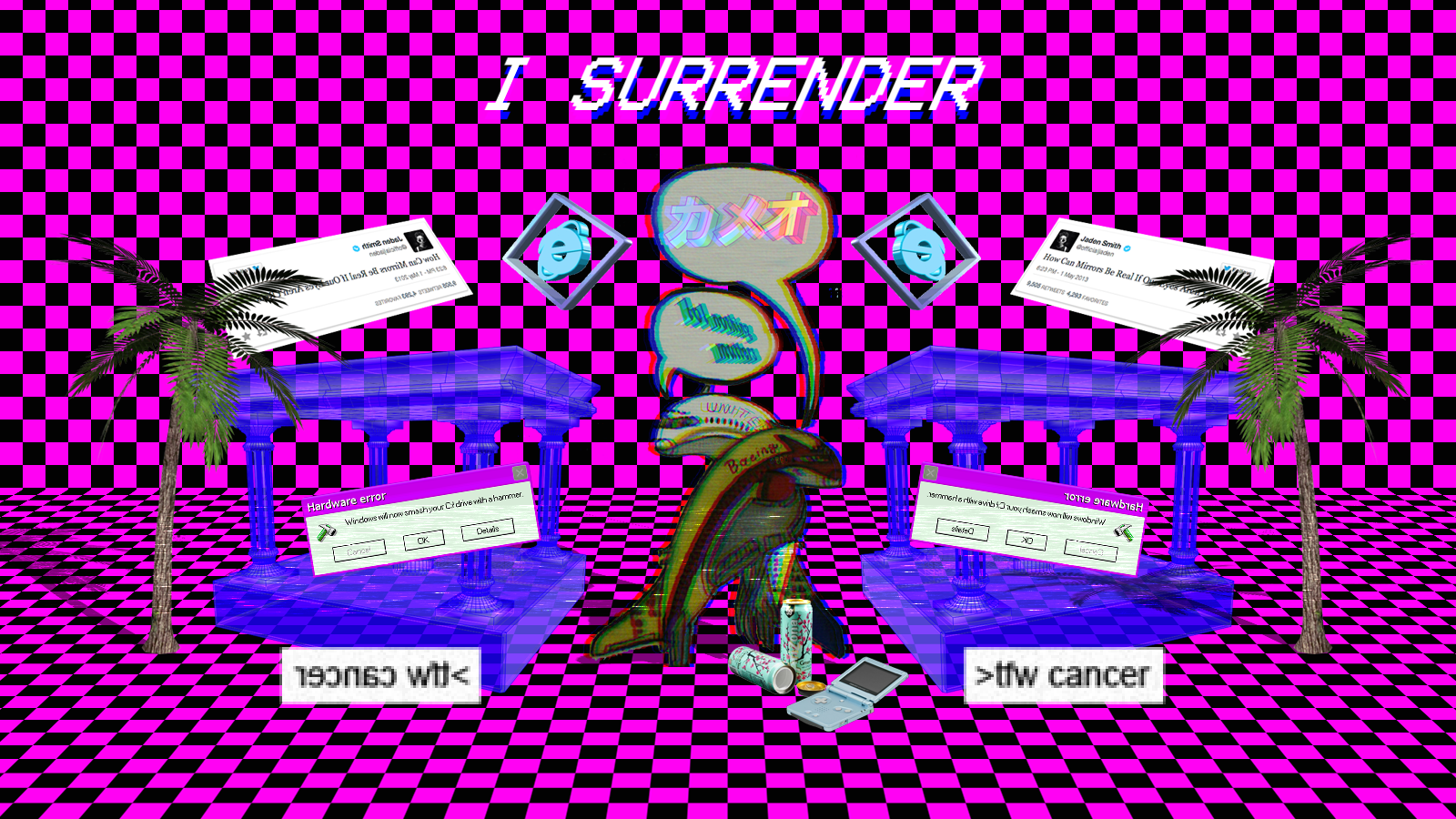
Vaporwave Collage
Vaporwave demonstrates how nostalgia, consumer debris, and digital collage became a critical language for subcultural remix online, often by scavenging from the visual memory of early web and desktop culture.
Vaporwave Collage. A documented vaporwave artwork example showing how retro-digital surfaces, obsolete interface memory, and collage aesthetics recycle early-internet visual residue into a later countercultural style. Localized project copy of the documented vaporwave artwork example from Wikimedia Commons.
Collection object
Collection file
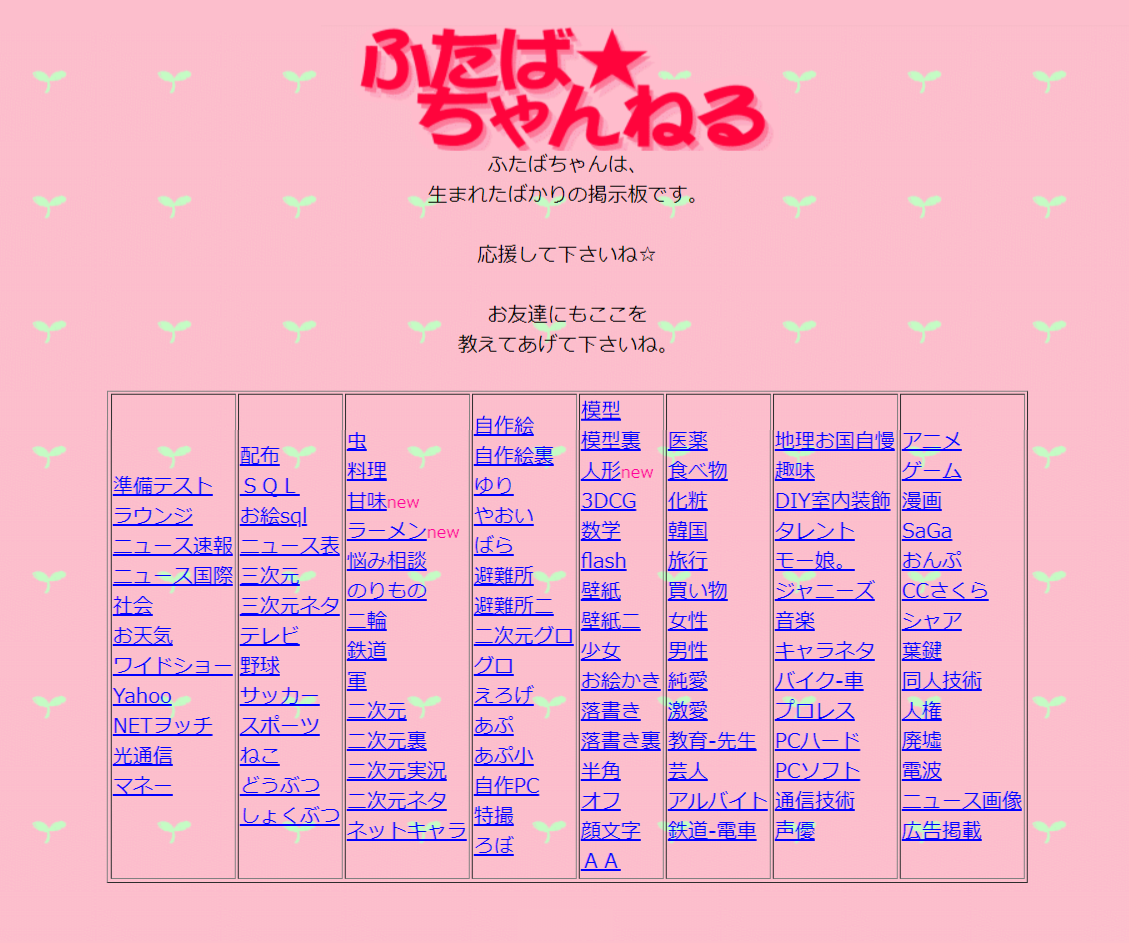
Brutalist Web Screenshot
The stripped interface does not simply lack polish. It performs anti-polish as a stance against the managed smoothness of mainstream platforms.
Brutalist Web Screenshot. Imageboard interfaces foreground raw function, dense text, and anti-polish as deliberate visual positions. Localized project copy of an imageboard community interface.
Collection object
Collection file
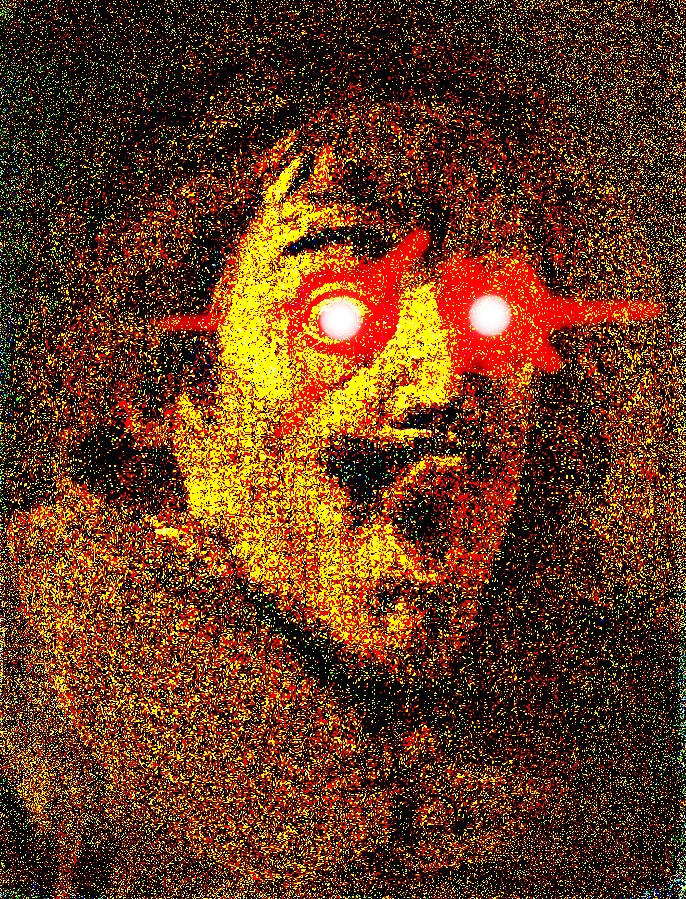
Deep-Fried Meme
The image exaggerates compression, sharpening, and color damage until degradation itself becomes the joke and the aesthetic signal.
Deep-Fried Meme. Deep-fried aesthetics turn distortion into a cultural signal, rejecting smoothness and legibility as default design virtues. Wikimedia Commons
Context module
Manifesto Snippets
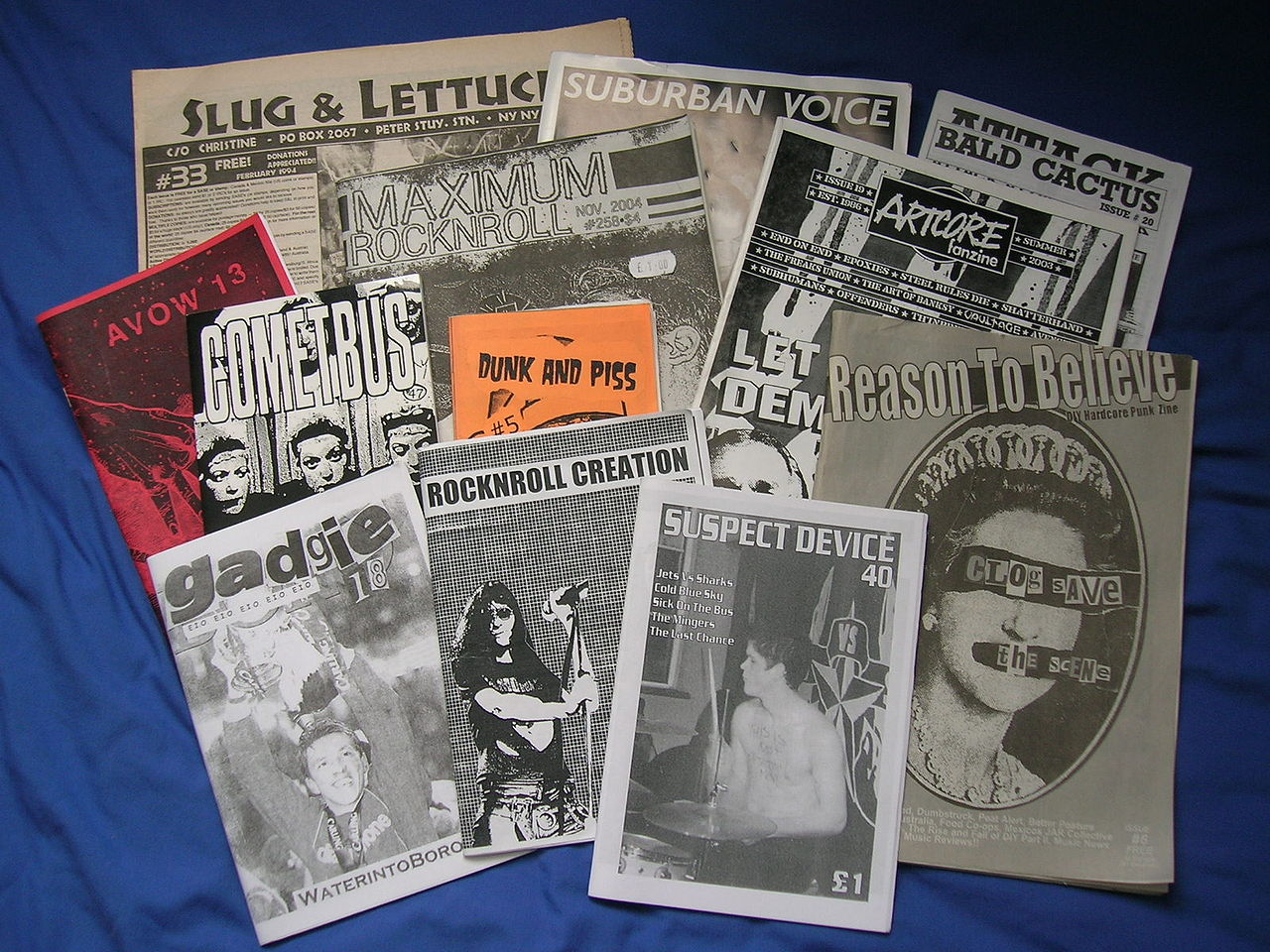
Community notes, zines, and slogans make anti-design legible as a method rather than a look. The point is to keep the seams visible and refuse the assumption that design must always feel resolved.
- Reject polish, keep the seams visible.
- Remix is a method, not a style.
- Noise is a feature, not a bug.
- Community authorship over brand authorship.
Context module
Remix Channels
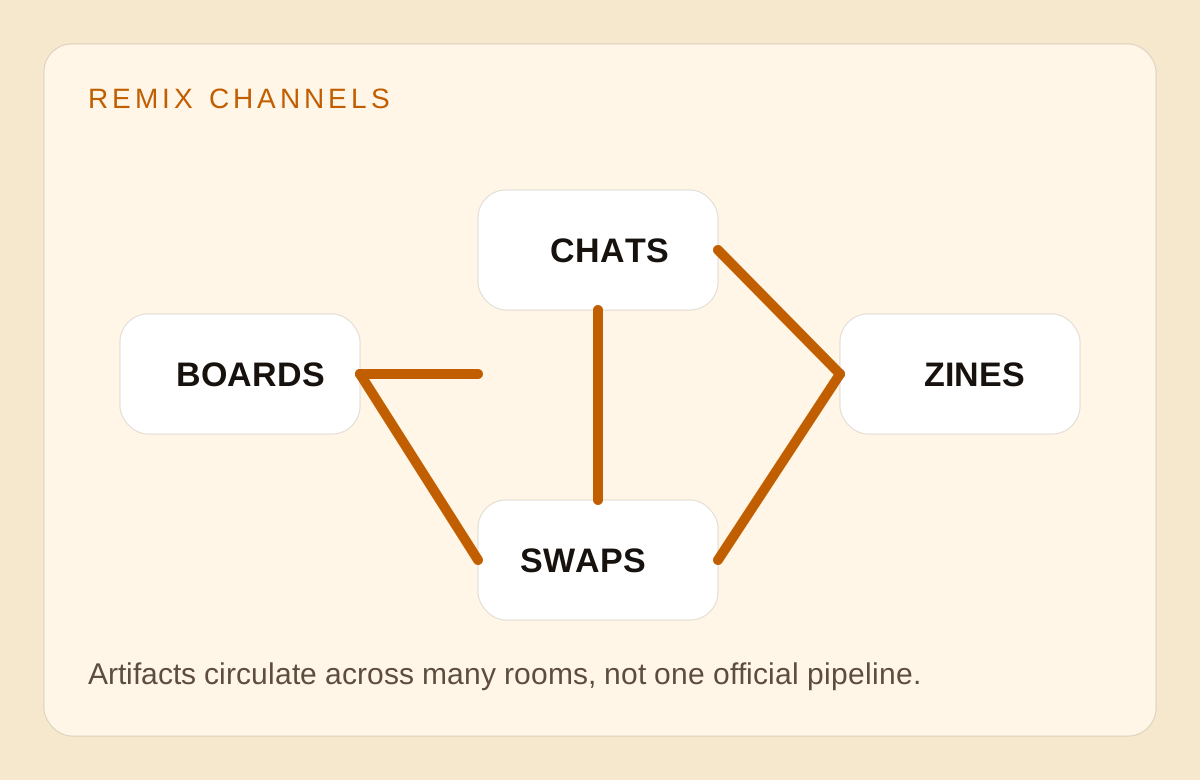
Discord servers, image boards, remix hubs, and swap cultures keep experimentation alive outside corporate standards. Distribution is decentralized, iterative, and rarely finished.
- Discord servers and private invites
- Image boards and remix hubs
- Mixtape zines and digital bundles
- IRL meetups and swap tables
Chronology
Remix Timeline
- 2011
Vaporwave surfaces online as both retro-futurist style and critique of consumer culture.
- 2014
Meme formats stabilize into repeatable templates that enable rapid collective remixing.
- 2016
Brutalist web directories amplify raw design as a visual protest against polished sameness.
- 2020
Anti-design spreads through independent studios and keeps visual risk visible in contemporary practice.
References
Selected source records
secondary
Internet meme (Wikipedia)Overview of meme culture, remix practices, and shared digital authorship.
secondary
Vaporwave (Wikipedia)Defines vaporwave aesthetics, origins, and its role in online subcultures.
directory
Brutalist WebsitesDirectory of raw and experimental web design used as reference for anti-design analysis.
Final room
What carries forward is not one style, but a struggle over who gets to shape the screen
The exhibit begins with personal pages built from copied fragments and ends with communities using distortion, remix, and refusal to keep that fragmentary energy alive. Between those two points, platforms and metrics formalized design into systems that could scale, test, and govern behavior.
What remains constant is the contest over authorship. Every era in the show asks who controls the interface, who gets to decorate it, and which visual languages are allowed to count as credible, usable, or desirable.
Era commentary
What changed visually
Subcultures recycle early-web textures, glitch effects, and lo-fi design to critique the sanitized polish of mainstream platforms and signal in-group identity.
Remix culture and community-led aesthetics keep experimentation alive outside corporate standards. By embracing imperfection and noise, they challenge the idea that design must always be smooth, efficient, or marketable.